

Food Process Engineering & Design Services
Food process engineering is the discipline of designing and improving how a food manufacturing plant actually runs: layout, workflow, equipment selection and automation, all engineered together so the plant is safer, more efficient and easier to scale. RMR Process is a food process engineering consultancy for Australian manufacturers, redesigning existing operations rather than starting from a blank sheet, so the changes fit the plant you already have.
Understanding process improvement
Most food manufacturers don't need a new factory. They need their current one to run better. Process improvement means finding where a plant is losing time, product or margin, whether that's a bottleneck on the line, a manual step that should be automated, or a layout that no longer matches how the business actually operates, and re-engineering that specific problem rather than the whole site.
A comprehensive approach to food processing operations
RMR Process looks at a facility as one connected system: supply chain and storage, the production line itself, quality and safety controls, and automation, because a change in one area usually creates a knock-on effect somewhere else. Our process engineering consultants map the whole operation before recommending changes, so a fix in one part of the plant doesn't create a new bottleneck in another.
Supply Chain Optimisation
We look at how raw materials and packaging move into and through the plant, often reducing the warehouse footprint required while maintaining product freshness and shelf life, so storage and handling stop being a hidden cost.
Manufacturing Efficiency Enhancement
Bottlenecks are usually specific and fixable. Clients typically see 15-30% efficiency improvements without major capital investment once the actual constraint, not just the symptom, is identified and re-engineered.
Quality and Safety Integration
Quality and food safety are designed into the process itself, not added afterwards. That means contamination risk, hygiene and product safety are considered at the same time as throughput and layout, so improving efficiency doesn't come at the cost of compliance.
Automation and Technology Integration
Automation is recommended where it earns its place, from targeted mechanical improvements through to more comprehensive systems, matched to the scale of the business rather than defaulting to the most expensive option.
Case study: Bakery Ingredient Handling
A bakery client was managing ingredient handling manually, bag by bag, with contamination risk, ergonomic strain on staff and inefficient use of labour built into the process. RMR Process redesigned the ingredient handling system around bulk silos with automated feeding, removing manual bag handling entirely. The result was a safer, less labour-intensive process with ROI achieved within 12-18 months.
Bulk ingredient systems
For higher-volume operations, bulk silo and automated feeding systems remove manual handling and the contamination and safety risks that come with it.
Semi-automated material handling
Where a full bulk system isn't the right fit, particularly in space-limited facilities, semi-automated material handling can deliver similar efficiency and safety gains through workflow reconfiguration and more cost-effective automation.
Ready to level up your manufacturing process?
If your food factory has a specific bottleneck, safety risk or efficiency problem, talk to RMR Process about a process engineering review. Contact us to discuss your food process engineering and design requirements.
Bulk Ingredient Systems
Implementation of bulk storage silos with automated feeding to mixers
Elimination of manual bag handling and associated contamination risks
Significant reduction in operator labor requirements
Enhanced ingredient consistency and quality control
Typical ROI achieved within 12-18 months
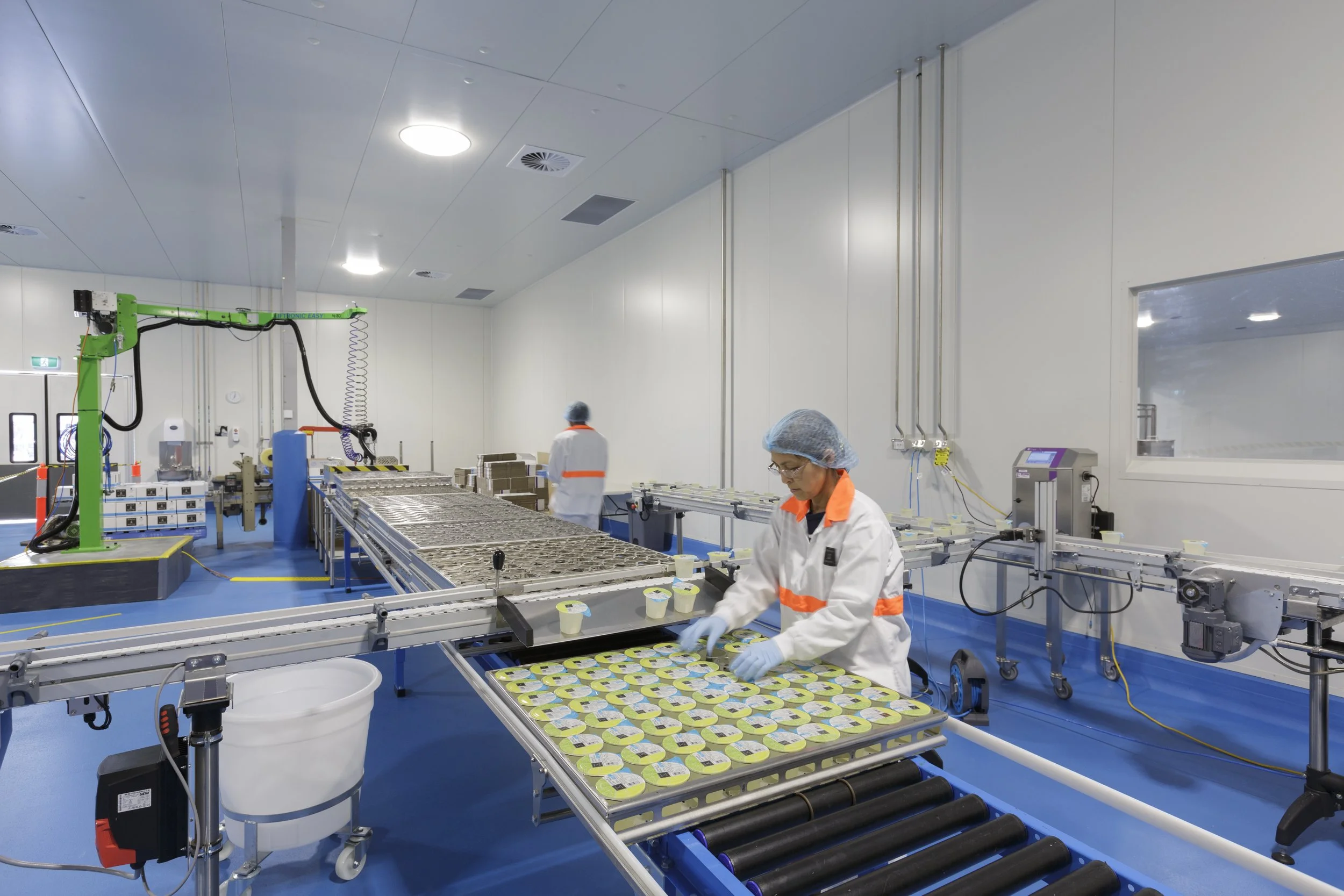
Process Flow Optimisation
Our Food processing design solutions include:
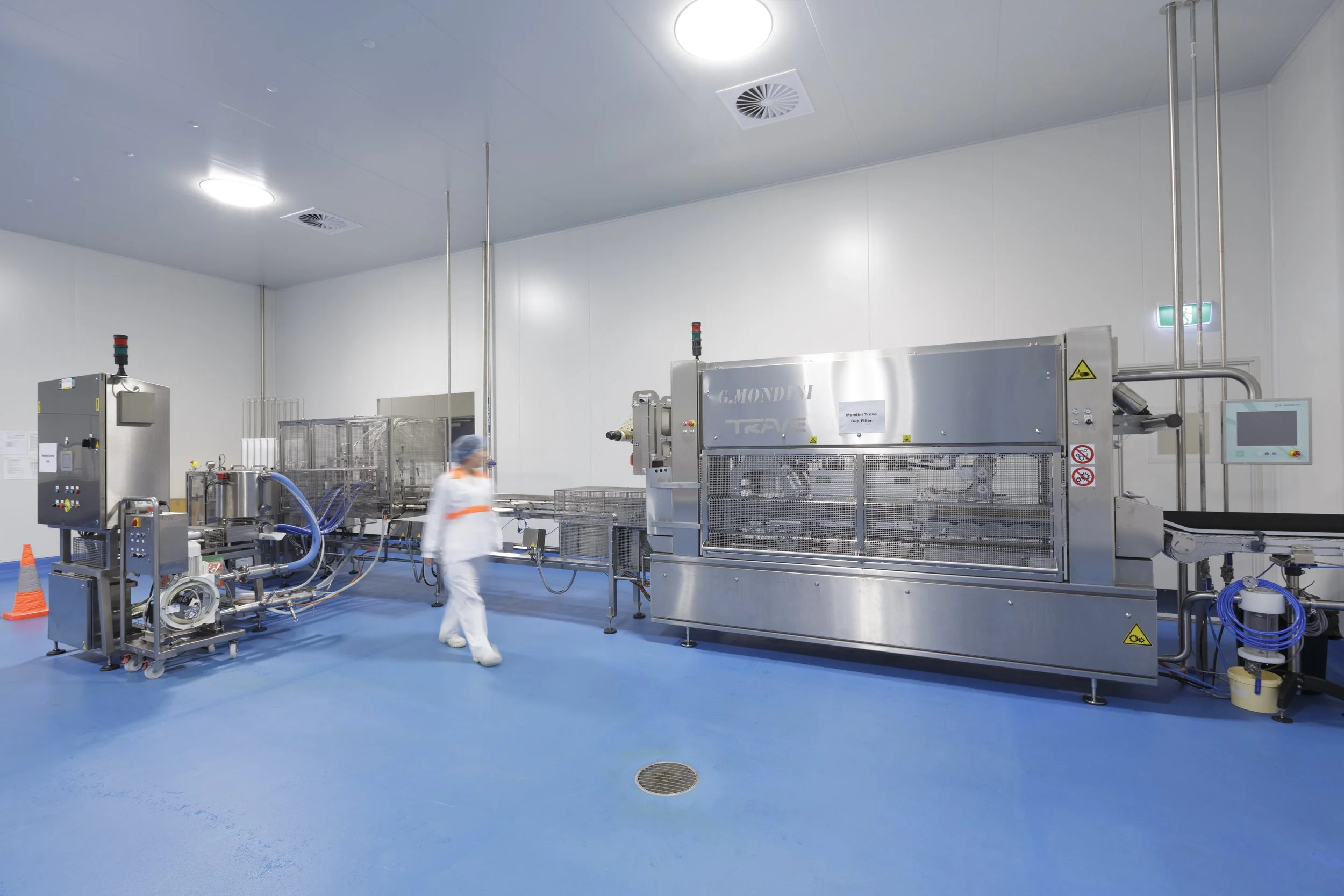
Equipment Selection and Integration
2. Semi-Automated Material Handling
Reconfiguration of batching and mixing areas for improved workflow
Integration of material handling equipment to reduce manual lifting
Redesigned ingredient addition points to minimize contamination risk
Optimised operator movement and task allocation
Cost-effective solutions for space-constrained facilities

Process Validation & Start up

Sustainability in Process Design
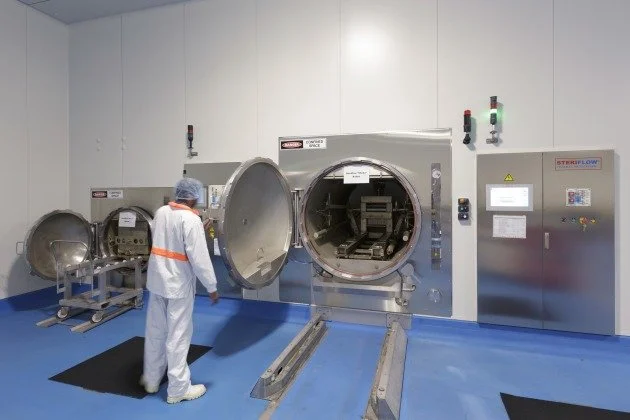
Food Safety Design Integration